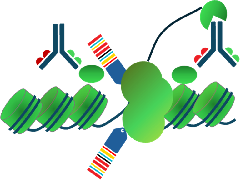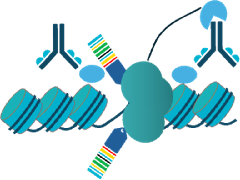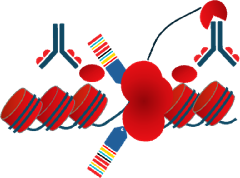
ChIP-seq
End-to-end ChIP-seq Services

- Full project: From chromatin preparation through analysis
- Library QC metrics and sequencing-ready material or FASTQ delivery
- Detailed report with QC, peak calls, and biological insights
Paired-Tag is a groundbreaking multiomic technology that captures histone modifications and RNA expression from the same cell without computational integration. By directly linking chromatin state to transcriptional output on a cell-by-cell basis, Paired-Tag unlocks mechanistic insights into cellular identity, developmental trajectories, and disease states that separate assays cannot reveal.
Paired-Tag is a single-cell multiomic library preparation method that simultaneously captures RNA expression and epigenetic marks—such as histone modifications, transcription factor binding, or chromatin-associated proteins—from the same individual nucleus. By integrating these two critical layers of gene regulation in one assay, Paired-Tag provides unprecedented resolution into how chromatin state drives cellular behavior.
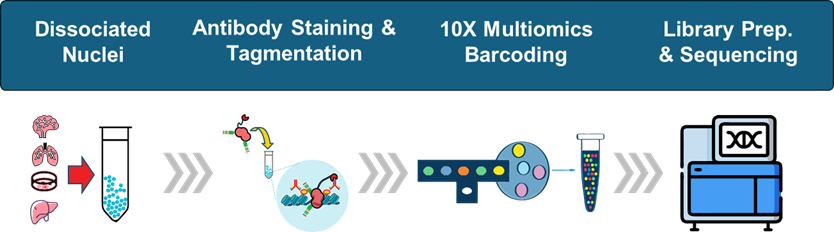
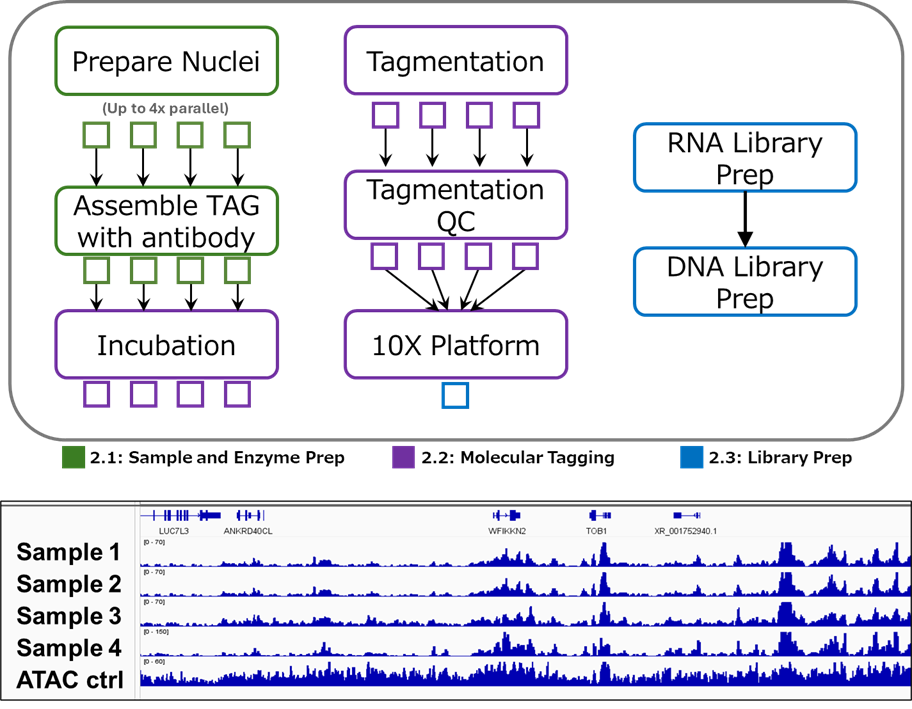
Fresh or frozen tissue, organoids, PBMCs, or cell lines are processed into nuclei. Works efficiently on diverse sample types and tissues without requiring extensive optimization.
Nuclei are simultaneously tagged with antibodies against histone modifications and barcoded oligonucleotides that capture RNA. Both capture events occur in the same nucleus without competition or interference.
Compatible with 10x Chromium Multiome and other single-cell platforms. Each nucleus is encapsulated with a unique barcode that identifies both the histone mark and RNA molecules from that cell.
Dual FASTQ files (one for chromatin tags, one for RNA) are generated. Analysis produces linked cell-by-peak matrices and cell-by-gene matrices that can be directly correlated, revealing direct chromatin-transcript associations.

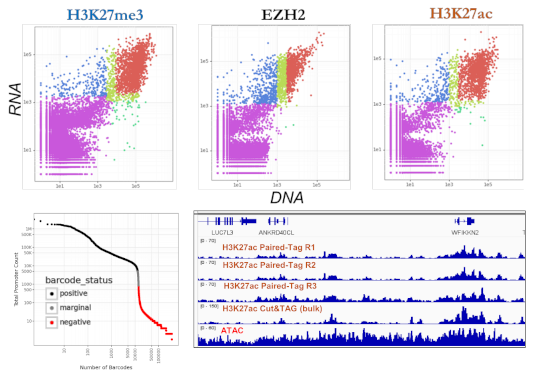
Paired-Tag captures histone modifications such as H3K27ac, H3K4me1, H3K27me3, and other marks alongside full transcriptomes in the same nucleus. This eliminates the computational burden and uncertainty of integrating separate assays—you have ground-truth chromatin-to-transcript linkage.
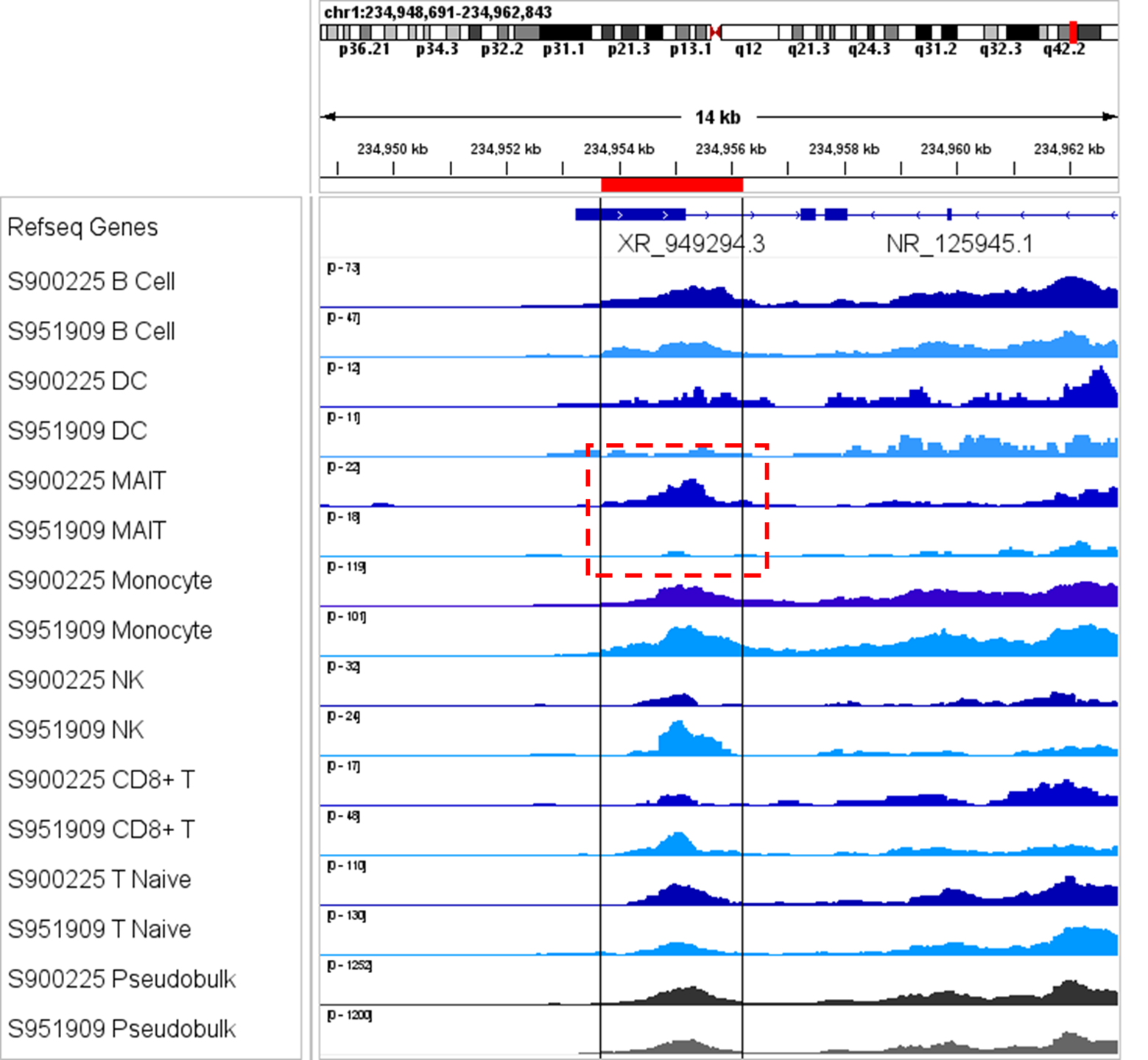
Paired-Tag discriminates diverse cell types and states in heterogeneous tissues by clustering on simultaneous epigenomic and transcriptomic signatures. RNA-based cell-type annotation combined with epigenetic characterization enables discovery of rare and transitional populations without FACS or enrichment.
Paired-Tag generates tens of thousands of unique chromatin loci and thousands of RNA UMIs per nucleus. Recent droplet implementations scale to profile hundreds of thousands of cells in a single experiment, enabling comprehensive atlases of complex tissues.
Works efficiently on fresh or frozen tissue, organoids, PBMCs, cell lines, and other sample types. This versatility makes Paired-Tag practical for translational studies, clinical cohorts, and archived sample analysis.
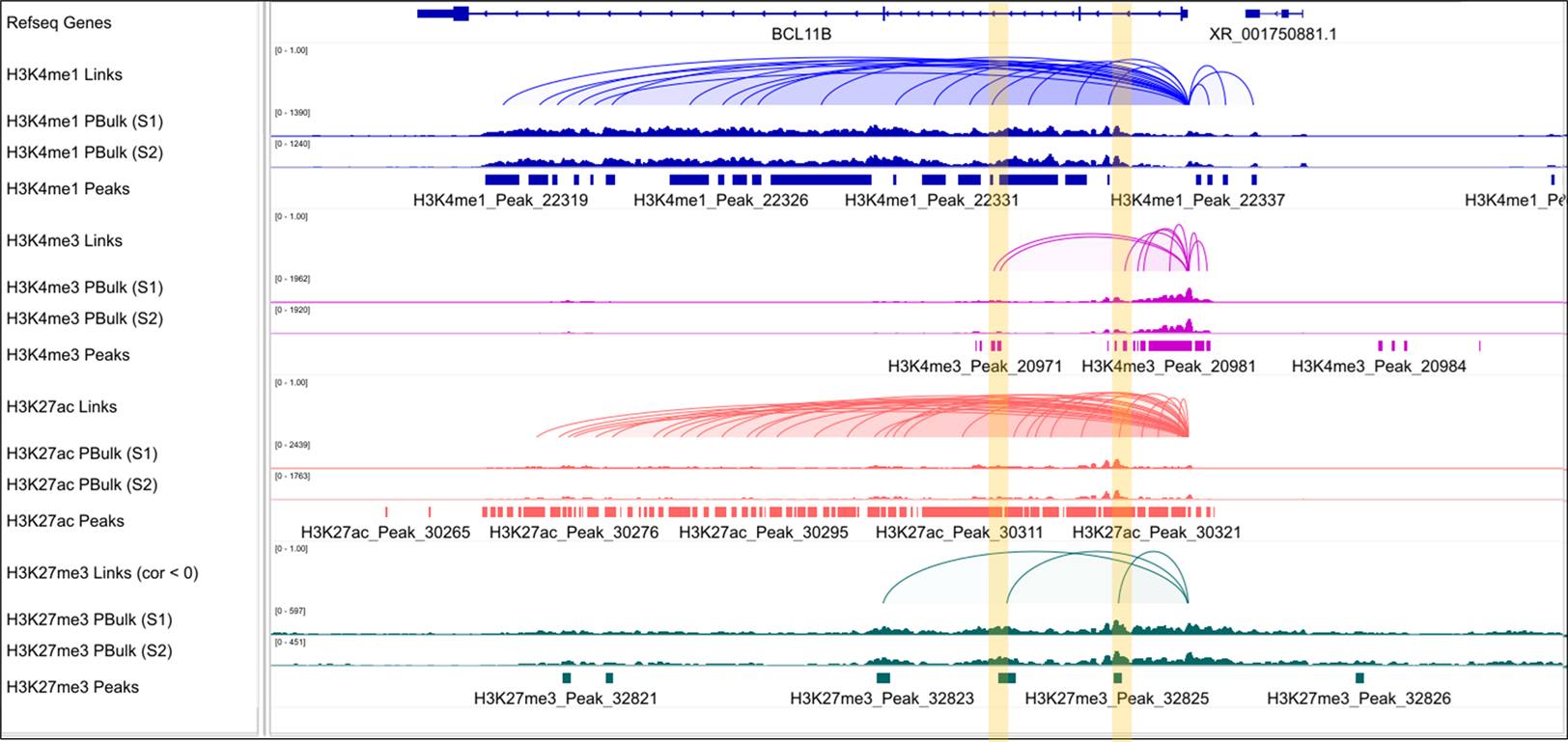
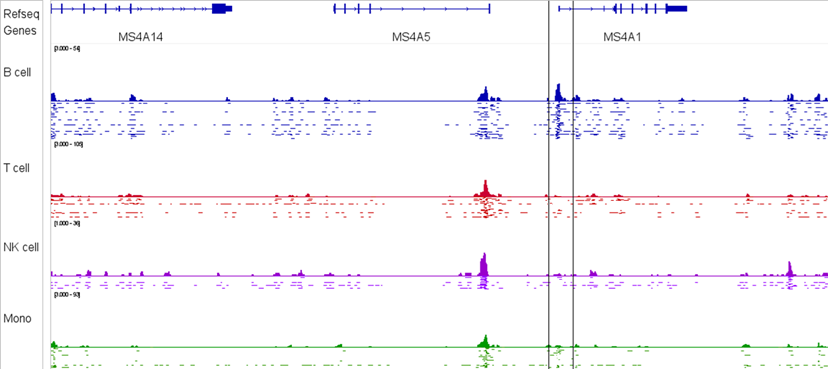
Track chromatin remodeling and gene expression changes during cell-state transitions and differentiation pathways. Identify epigenetic drivers of developmental decisions.
Link enhancer activation to tumor heterogeneity, immune evasion, and treatment resistance. Characterize T cell exhaustion, CAR-T functionality, and immune cell states.
Combine transcriptomics and epigenetics for mechanistic insights into disease pathogenesis. Identify epigenetic dysregulation underlying disease states and candidate therapeutic targets.
Measure on-target chromatin effects and off-target transcriptional impacts of CRISPR, degraders, or compounds. Validate drug targets with dual-modality readouts.
Paired-Tag reveals how environmental exposures—such as air pollution, e-cigarette aerosols, or chemical stressors—alter epigenetic landscapes and disrupt gene regulation. By directly linking chromatin changes to transcriptomic dysregulation, it elucidates molecular pathways sensitive to environmental stressors and potential long-term health impacts.
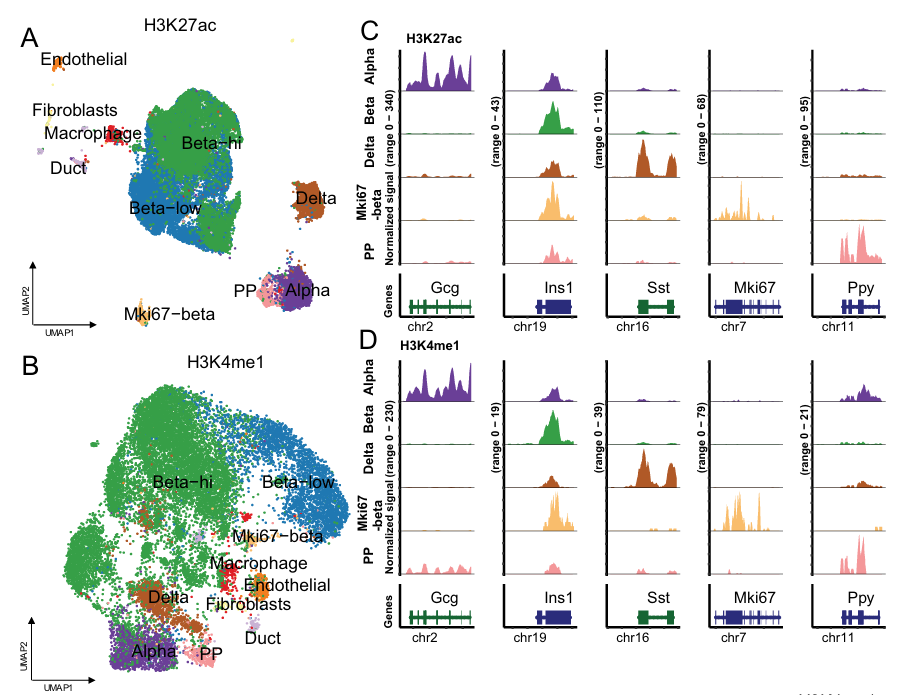
Paired-Tag profiling of pancreatic islets has revealed novel insights into β-cell heterogeneity and stress responses directly relevant to diabetes pathogenesis. The assay uncovered distinct β-cell subtypes derived from biochemically and epigenetically defined progenitors, demonstrating how histone modification patterns and epigenetic dosage shape functional specialization in insulin-secreting cells.
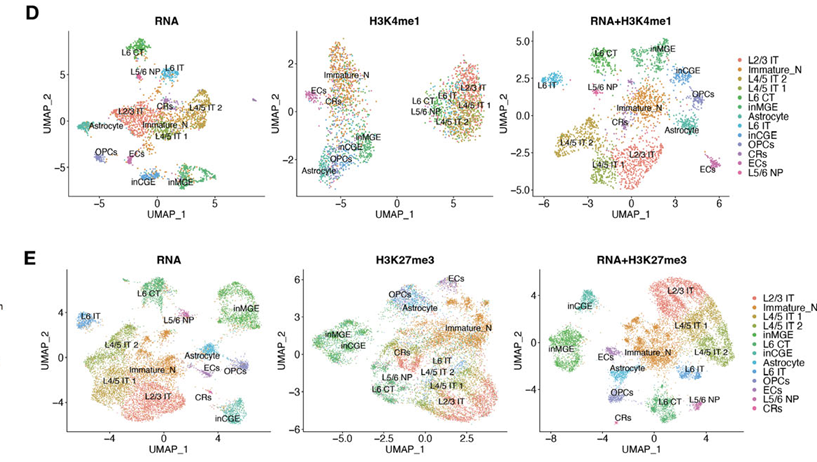
A recent study applying Paired-Tag to the prenatal mouse brain exposed to e-cigarette aerosols delineated the epigenetic consequences of environmental exposure on neurodevelopment. The assay revealed altered histone modification landscapes at enhancer and promoter regions within excitatory neurons and glia, associated with disrupted gene expression programs critical for brain development.
These case studies exemplify the transformative power of Paired-Tag:
Paired-Tag represents a paradigm shift in single-cell multi-omics. By directly linking chromatin state to transcriptional output from the same cell, Paired-Tag enables mechanistic discoveries that computational integration cannot achieve. Whether you're exploring fundamental biology or translating findings into precision medicine, Paired-Tag delivers the insights you need.